
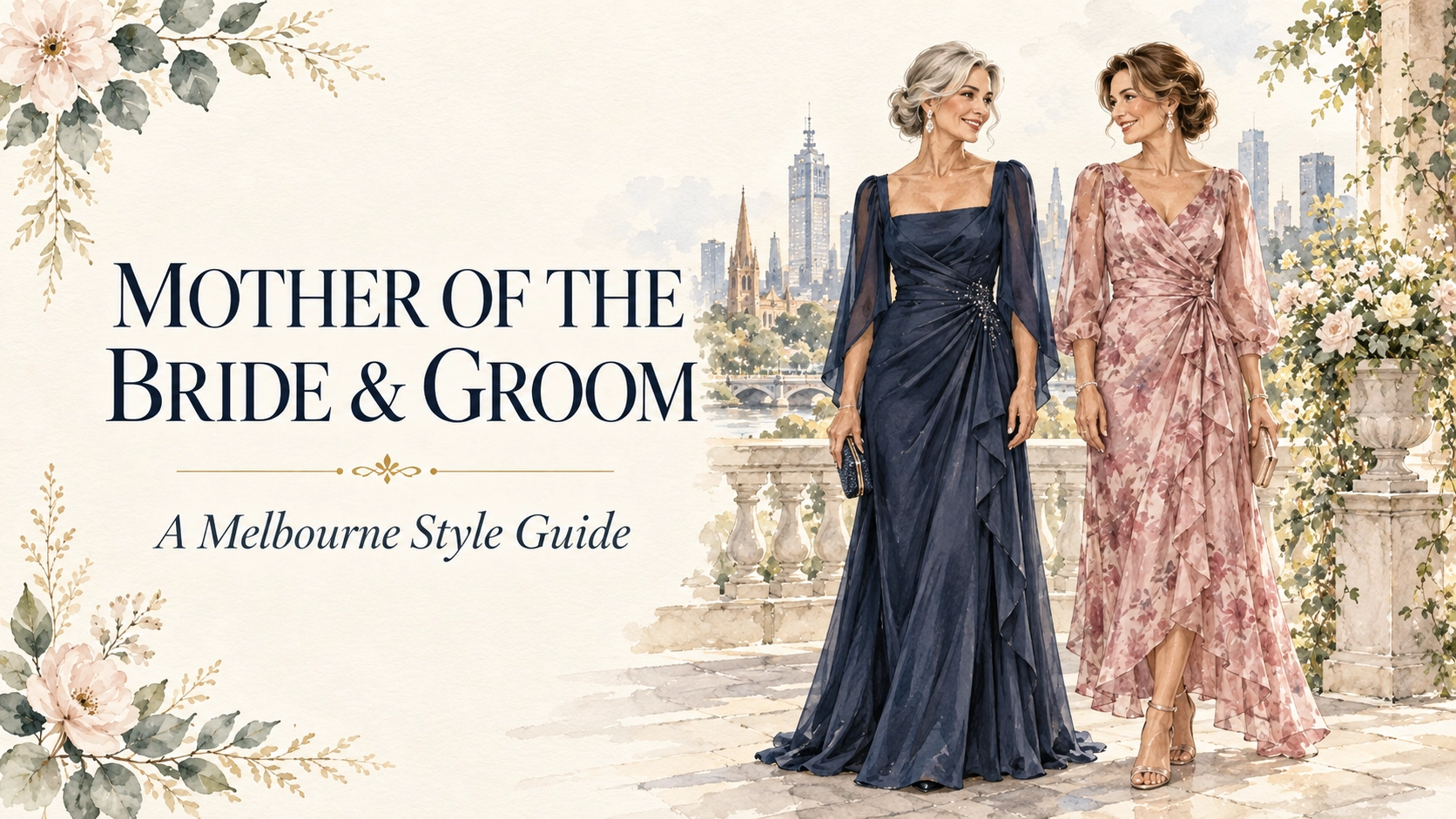
Finding the right mother of the bride dresses in Melbourne can feel surprisingly challenging. You want an outfit that reflects the importance of the occasion, complements the wedding and remains comfortable throughout the celebration.
The same considerations apply when choosing a mother of the groom dress. From colour and length to fit, venue and dress code, this guide will help you find an elegant outfit that feels beautifully and confidently yours.
Watching your daughter or son get married is an unforgettable occasion, and choosing what to wear should feel exciting. Yet for many mothers of the bride and groom, finding the right dress brings a surprising number of questions.
Should you coordinate with the bridesmaids? Is a long gown expected? Can you wear black? How formal is too formal? And how do you find something elegant enough for the occasion while still feeling comfortable and recognisably yourself?
There is no single dress that suits every mother or every wedding. The right choice depends on the dress code, venue, season, wedding colours and, most importantly, how you feel when you wear it.
If you are searching for mother of the bride or mother of the groom dresses in Melbourne, this guide will help you make a confident and considered choice.
How to Choose Mother of the Bride Dresses in Melbourne
Before looking at colours or silhouettes, begin with the wedding itself. Ask the couple about:
The dress code
The venue
The ceremony and reception times
The wedding colour palette
The bridesmaids’ colours
Whether the celebration will be indoors, outdoors or both
Any cultural traditions or preferences that may influence your outfit
A black-tie evening reception in a Melbourne hotel calls for a different approach from a relaxed garden ceremony or a daytime wedding at a Yarra Valley winery.
The dress code provides the starting point, while the venue and time of day help you refine the details.
Should the Mothers Match the Bridesmaids?
Usually, no.
The mother of the bride or groom does not need to wear the same colour as the bridesmaids unless the couple specifically requests it. In many cases, choosing a complementary shade creates a more sophisticated and natural result.
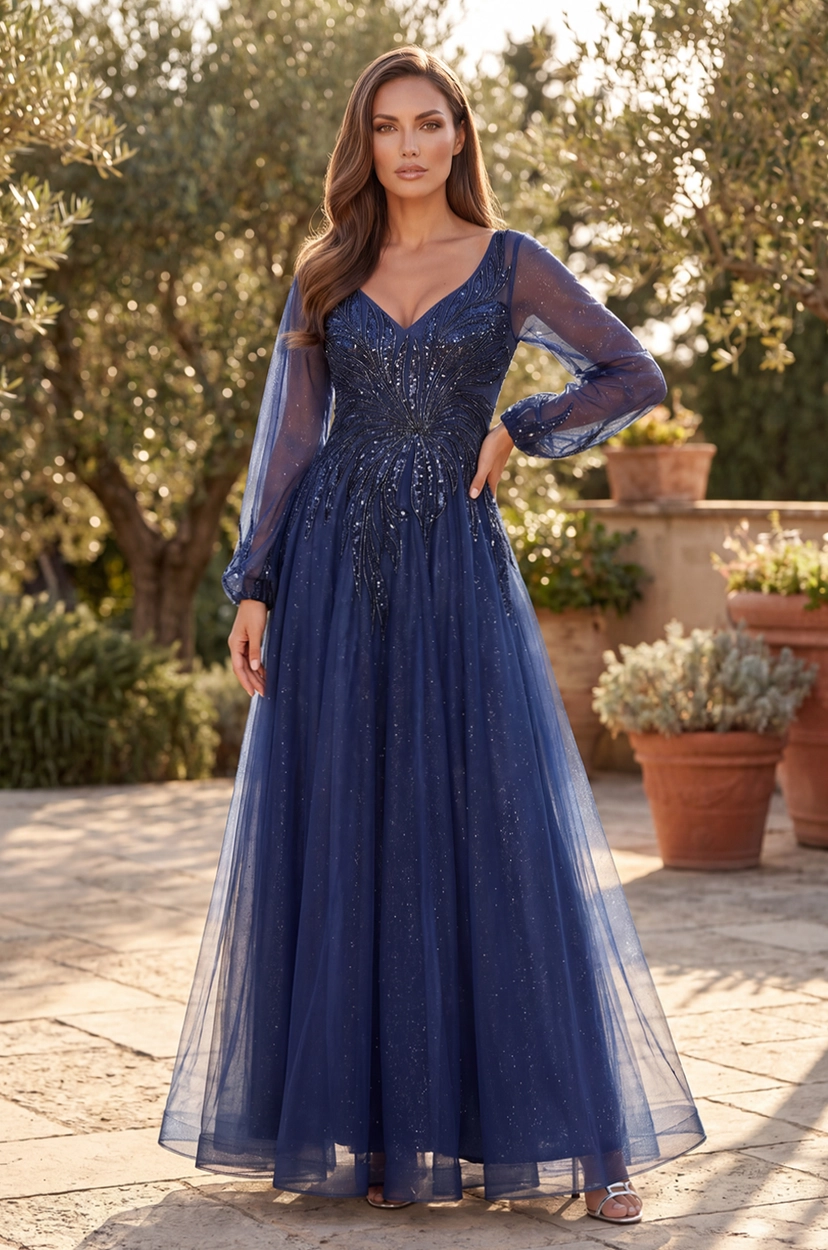
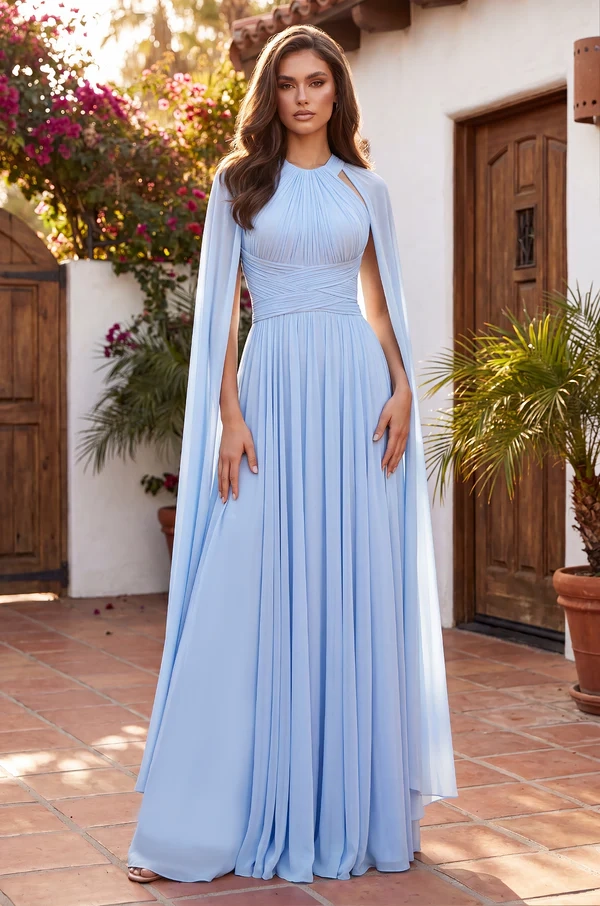
For example, if the bridesmaids are wearing sage green, a mother might consider navy, soft blue, plum, rose, silver or another shade that sits comfortably within the overall palette. The goal is coordination rather than exact matching.
There is also no strict requirement for the two mothers to match each other. However, it is helpful for both to understand the expected level of formality so that their outfits feel balanced in family photographs.
Wedding style guidance generally recommends discussing the colour palette and formality with the couple before making a final decision. The Knot’s mother-of-the-bride attire guide provides further advice about coordinating colours without becoming indistinguishable from the bridal party.
Choosing a Colour for a Mother of the Bride Dress
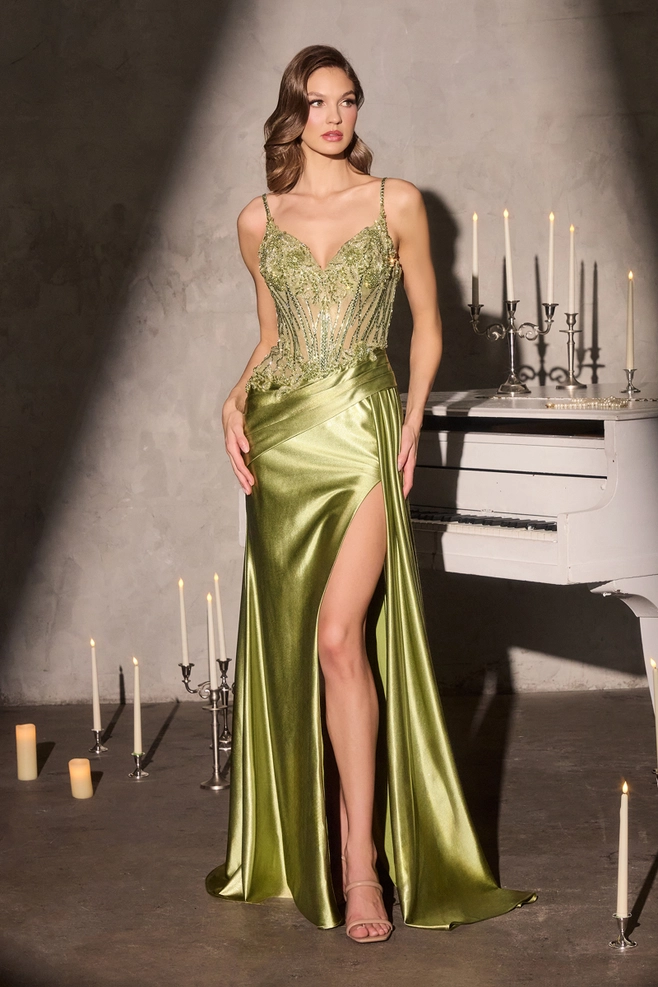
Navy, deep blue, burgundy, plum, emerald, silver, soft gold and muted rose are enduring choices, but they are far from the only possibilities.
The most flattering colour will depend on your complexion, the season, the wedding palette and the way the fabric responds to light. A colour that appears subtle online can look much brighter in natural daylight, while satin, sequins and metallic finishes can change considerably under evening lighting.
Florals can be particularly lovely for spring, garden and daytime weddings. Jewel tones often suit autumn and winter celebrations, while navy and sophisticated metallic shades can work throughout the year.
Rather than asking which colours women of a certain age are “allowed” to wear, consider:
Does the colour make you feel confident?
Does it complement the wedding palette?
Will it photograph well beside the bridal party?
Is it appropriate for the venue and time of day?
Does it feel like you?
Can the Mother of the Bride or Groom Wear Black?
Yes, in many modern weddings, black is entirely appropriate, particularly for a formal, black-tie or evening celebration.
A black gown can look refined and timeless. Fabric, silhouette and accessories will influence whether the finished outfit feels celebratory rather than severe. Texture, draping, embellishment, jewellery or a soft metallic accessory can add warmth and dimension.
If you are uncertain, ask the couple. Their preference matters more than an old-fashioned rule.
What About White, Ivory or Champagne?
White and bridal-looking shades are generally best avoided unless the couple has specifically approved them.
Champagne, pale silver, blush and very light neutral colours require more consideration because they can appear much lighter in photographs than they do in person. If a dress could be mistaken for white under bright light or camera flash, show it to the couple before purchasing it.
The intention is not to follow rigid etiquette for its own sake. It is simply to ensure that your outfit complements the celebration without appearing bridal.
Should You Wear a Long Gown or a Midi Dress?
The appropriate length depends primarily on the dress code, not on whether you are the mother of the bride or groom.
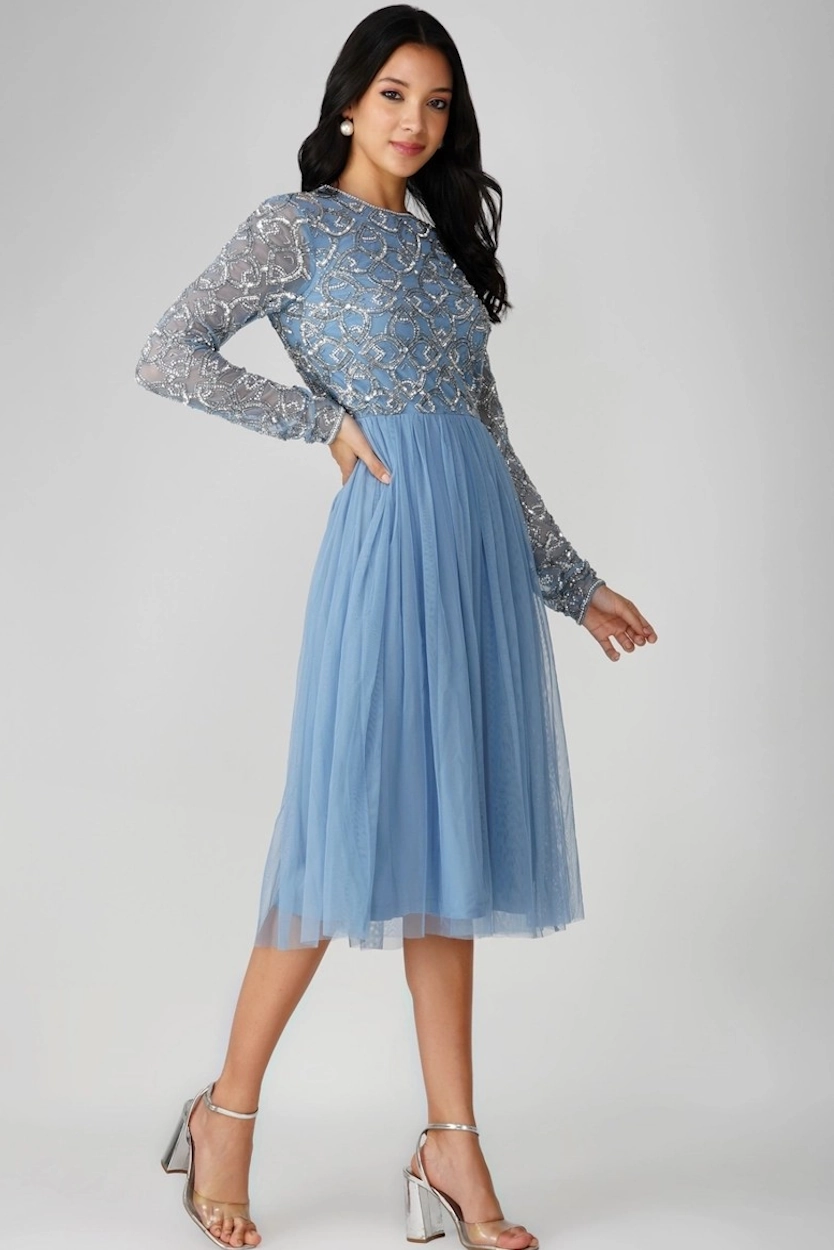
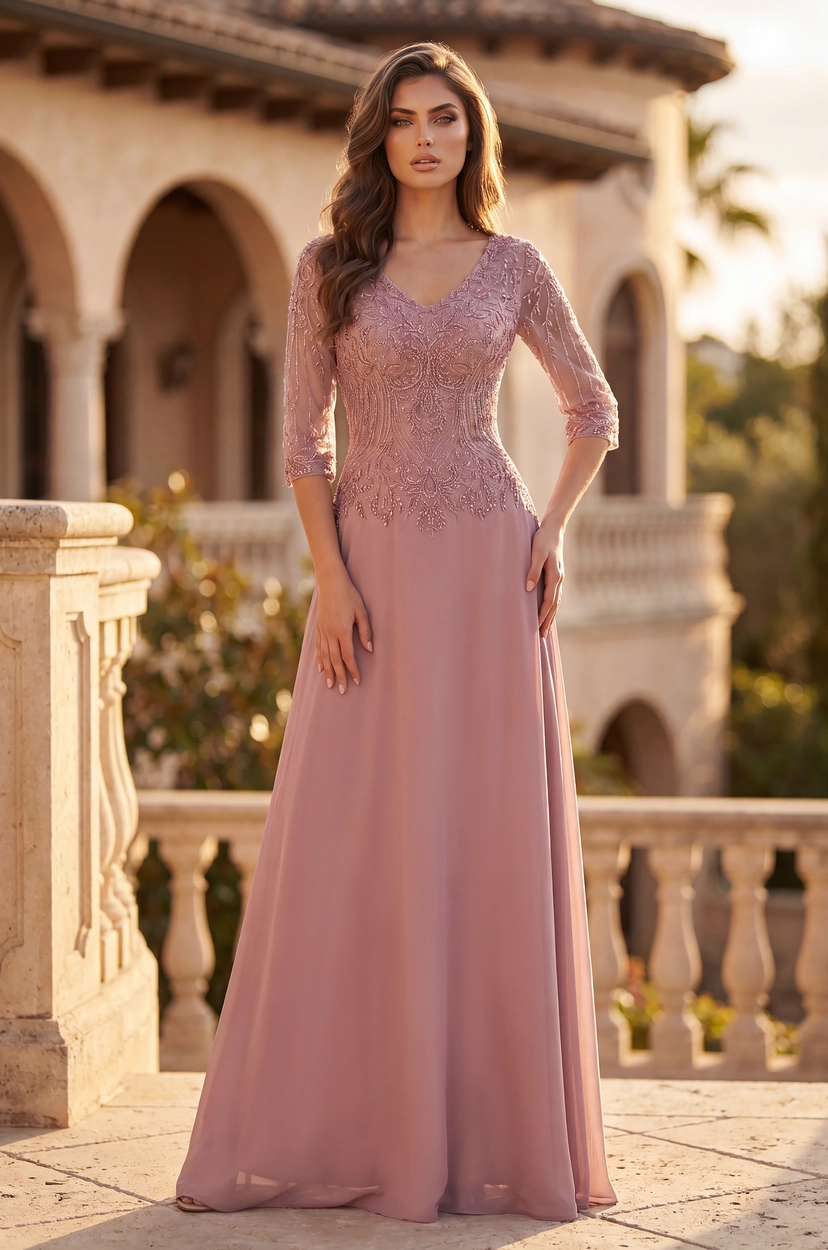
Black-tie wedding
A floor-length gown is the traditional choice for a black-tie celebration. Elegant fabrics, refined draping and carefully placed embellishment can all work beautifully.
Our guide to black-tie dresses in Melbourne explains how neckline, structure, colour and detailing affect the formality of a gown.
Formal wedding
Both maxi and sophisticated midi dresses may be suitable. Consider the venue and whether the wedding takes place during the day or evening.
Cocktail wedding
An elegant midi dress is often an excellent choice. A refined maxi or occasion dress may also work, provided its styling matches the setting.
Garden, winery or daytime wedding
Flowing midi dresses, graceful maxi dresses and elegant florals can feel natural in these settings. Our selection of floral dresses for Melbourne spring events demonstrates how print, length and neckline can create very different levels of formality.
These are useful guidelines rather than absolute rules. A beautifully fitted midi dress can feel more polished than a poorly fitted gown, regardless of its length.
Choose a Dress That Works for the Entire Day
A wedding is not a brief occasion. You may be standing during the ceremony, walking between locations, posing for photographs, sitting through dinner and dancing at the reception.
When trying on a dress, do more than stand in front of the mirror.
Walk in it. Sit down. Raise your arms. Turn to view the neckline and back from different angles. Check whether the bodice remains secure and whether the skirt allows comfortable movement.
Ask yourself:
Can I sit comfortably through the ceremony and reception?
Can I walk naturally?
Does the neckline remain secure when I move?
Can I lift my arms comfortably?
Will the fabric crease easily?
Can I wear the dress for several hours?
Does it work with a comfortable pair of shoes?
Comfort does not mean choosing something plain or overly conservative. It means finding a dress that allows you to participate fully in the celebration instead of continually adjusting or worrying about your outfit.
Think Beyond Traditional “Body-Shape Rules”
Advice about dressing for a particular body type can sometimes feel restrictive. Two women with similar proportions may feel completely different in the same dress.
A more helpful approach is to notice which design details make you feel comfortable and confident.
Consider:
Whether you prefer a defined or softly shaped waist
How much structure and support you would like through the bodice
The neckline in relation to your jewellery and preferred undergarments
Whether you feel most comfortable with sleeves, straps or an off-the-shoulder design
How the fabric falls and moves
Where the hemline finishes with your intended shoes
A dress does not have to conceal your body to be flattering. It should create a shape, level of coverage and sense of balance that feels right to you.
For more guidance, read our article on finding a flattering dress that fits, flatters and feels like you.
Dress for the Venue as Well as the Invitation
Two wedding invitations may both say “formal,” yet the appropriate outfits can differ considerably.
For a Melbourne hotel or ballroom, a structured gown, elegant satin finish or sophisticated embellishment may feel at home.
For a winery or garden celebration, consider how the dress and shoes will work on grass, gravel and uneven surfaces. A flowing skirt and block heel may be more practical than a fitted hem and fine stiletto.
For a coastal wedding, movement and lighter fabrics may suit the setting, but an outer layer can still be important once the temperature falls.
Our complete guide to what to wear to a wedding in Melbourne offers more detailed advice for city, garden, winery and coastal venues.
Plan for Melbourne’s Changeable Weather
Melbourne weather deserves special consideration, particularly when the ceremony, photographs and reception take place across different locations.
Even on a warm day, the temperature may drop by the evening. A light wrap, refined jacket or other complementary layer can make a significant difference without detracting from the dress.
Think about the complete day:
Will you be outdoors during the ceremony?
Are photographs planned in an exposed location?
Will the reception continue into the evening?
Can your outer layer be carried easily if it is not needed?
Does it look intentional with the dress?
Choose the layer at the same time as the dress if possible. A last-minute jacket may provide warmth but disrupt an otherwise beautifully considered outfit.
When Should You Start Shopping?
Starting early gives you more time to explore colours, compare silhouettes and arrange any necessary alterations without pressure.
A commonly suggested timeframe is approximately six to eight months before the wedding, after the couple has established the general colour palette and level of formality. The Knot’s shopping guide also recommends allowing enough time for ordering and alterations.
However, this is guidance rather than a deadline. If the wedding is closer, do not assume you have left it too late. Begin with dresses that are available now, confirm what alterations may be possible and work backwards from the wedding date.
Do Not Leave Alterations Until the Last Minute
Fit can transform the appearance of a dress.
A gown may be beautiful in colour and design but still require adjustment through the hem, straps, sleeves, waist or bodice. These changes can improve not only how the dress looks, but also how securely and comfortably it feels.
Bring your intended shoes and undergarments to the fitting whenever possible. Heel height affects the hem, while different undergarments can change the position and fit of the bodice.
Allowing time for alterations also removes unnecessary pressure in the final weeks before the wedding.
Common Mistakes to Avoid
Shopping before understanding the dress code
A beautiful dress is not necessarily the right dress for that particular wedding. Confirm the level of formality first.
Trying to match the bridesmaids exactly
Complementing the palette is usually more elegant and gives you greater freedom to choose a flattering colour.
Selecting a dress only from online photographs
Online images are useful for creating a shortlist, but colour, movement, fabric and fit are much easier to judge in person.
Choosing appearance over comfort
If you cannot sit, walk or move naturally in the dress, it may become difficult to enjoy the day.
Forgetting the shoes and outer layer
Shoes, jewellery, a bag and weather-appropriate layering should be considered as part of the complete outfit.
Waiting too long to arrange alterations
Even a relatively simple adjustment needs time to be completed and checked properly.
Wearing something that does not feel like you
The wedding is special, but you should still recognise yourself in the mirror. Elegance feels most convincing when it is connected to your personality.
A Final Checklist Before Choosing Your Dress
Before making your decision, ask:
- Does the dress suit the stated dress code?
- Does it work for the venue and time of day?
- Does the colour complement the wedding palette?
- Do I feel comfortable standing, sitting and walking in it?
- Will I need a jacket or wrap?
- Can I wear it confidently for the entire celebration?
- Does it allow enough time for alterations?
- Most importantly, do I feel like myself in it?
If the answers are yes, you may have found the right dress.
Where to Find Mother of the Bride Dresses in Melbourne
Choosing such an important outfit can be easier when you have time, privacy and the freedom to compare different styles without feeling rushed. When comparing mother of the bride dresses in Melbourne, begin with the wedding’s dress code and venue. The best mother of the bride dresses in Melbourne balance elegance, comfort and personal style.
At Thread & Trend Fashion, you can explore our handpicked collection of occasion dresses and gowns in a private Melbourne showroom. Trying dresses in person allows you to see how the colour responds to your complexion, how the fabric moves and how each silhouette feels, not simply how it appears in a photograph.
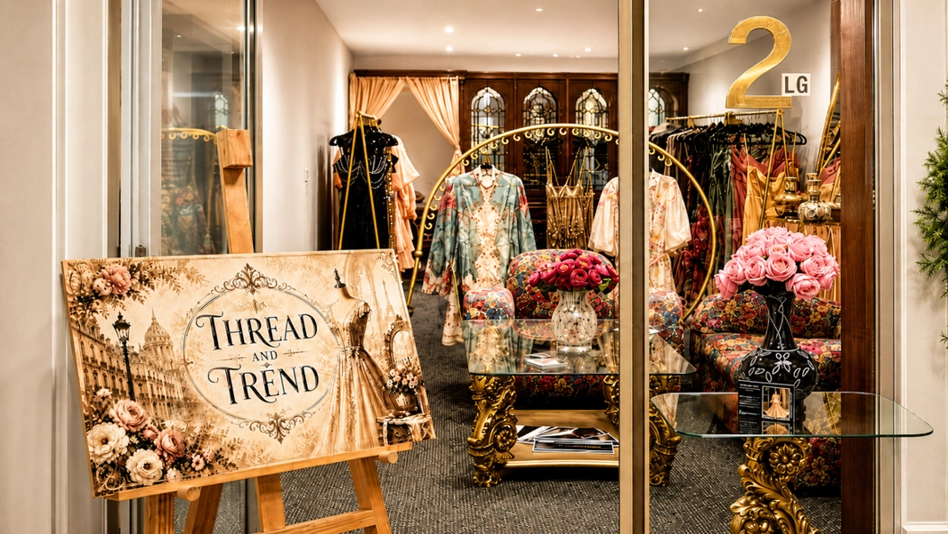
Our experience in dressmaking and alterations also helps us look beyond the initial fit. A dress may not fit perfectly from the rack, but thoughtful adjustments can make a meaningful difference.
You can explore our dress collection, save your favourites to My Dress List and book a private appointment at our Bulleen Plaza showroom.
Complimentary alterations are available for eligible dresses purchased from Thread & Trend Fashion. Terms and conditions apply.
The right dress should honour the importance of the occasion while still feeling beautifully and confidently yours.
Comments are closed